Why bathing is self-care at its best
A long, hot soak isn’t just a comforting ritual – it’s a small act of science-backed self-care. Studies show that bathing can improve mood, support heart health and even strengthen the immune system.
It can boost happiness, like being in sunshine
A warm bath feels good, but it’s not only because it’s relaxing. It can stimulate the release of mood-enhancing neurotransmitters such as serotonin and endorphins. Researchers have likened the effect to the warmth of sunlight on the skin, triggering the same comforting response in the brain.
…and actively reduce stress
When your circadian rhythm (the internal body clock that governs sleep and wake) falls out of sync, it can leave you feeling low. A warm bath about 90 minutes before bed can help reset that. The gentle rise and cool of body temperature tells your brain it’s time to unwind. Emerging research shows it can also help lower levels of cortisol, the stress hormone, by encouraging blood flow and supporting the body’s natural ability to calm down.



It can soothe inflammation
A bath acts like a gentle, full-body heat treatment. The warmth dilates blood vessels, improving circulation and easing tension in muscles. For an extra restorative touch, our Spa Restore Bath Soak is enriched with magnesium to help release tightness, and infused with eucalyptus and peppermint essential oils, both thought to boost focus and clarity.
It can support heart health – in a similar way to exercise
Recent research revealed a fascinating link between warm baths and cardiovascular health. A Japanese study following thousands of adults over two decades found people who bathed frequently had a lower risk of heart disease compared with those who only bathed occasionally. A separate Coventry University study observed that after moderate exercise, bathing improved blood pressure – benefits similar to those seen after aerobic activity.


It can boost immune levels
Raising your body temperature through bathing provides a subtle challenge to the immune system, increasing production of white blood cells, the body’s natural defenders. So, regular soaks could help strengthen your immune resilience over time. Enhance the effect with essential oils prized for their antibacterial properties. Try Spa Sleep, with lavender or Spa Nourish, with lemon to brighten the senses.
How to make the most of it
• Choose a bath that’s comfortably warm, not hot. Around 38–40°C is ideal.
• Aim for 20–30 minutes of soaking to give your body time to unwind.
• Create a spa-like atmosphere with soft lighting, music, and a candle. Spa Restore candle’s blend of geranium and eucalyptus is perfect for balance and clarity, while Spa Sleep, with lavender and chamomile, is perfect before bed.
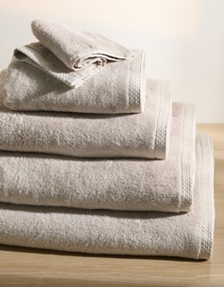
• After your bath, wrap up warmly in one of our MOST LOVED Spa Turkish towels, then rest for a while in your favourite robe. Your body will continue to benefit from the relaxed state. Find the full version of this feature, including all citations to scientific studies, on our website.
*• Coventry University (2025). Study shows warm-water immersion after exercise can improve cardiovascular function.
• K. Kuroda et al., Habitual tub bathing and risks of incident coronary heart disease and stroke, Heart (2020).
• K. Lee et al., Thermal therapy and mood enhancement: a pilot study, Journal of Thermal Biology (2024).
• B. Costello et al., Hot water immersion and immune function: a controlled trial, BMC Research Notes (2025).

Rib Hydrocotton Towels |

Calm Magnesium Bath Soak |

Long Lightweight Organic Cotton Waffle Robe |

Santa Rosa Collection |
The Thread
Stories to inspire. Ideas to get the look. Expert advice for living beautifully.